Heavy Rain, Flooding, and Chance of Severe Weather Staring Down the Southern U.S.
January 22, 2024
Posted: November 6, 2021 7:50 am




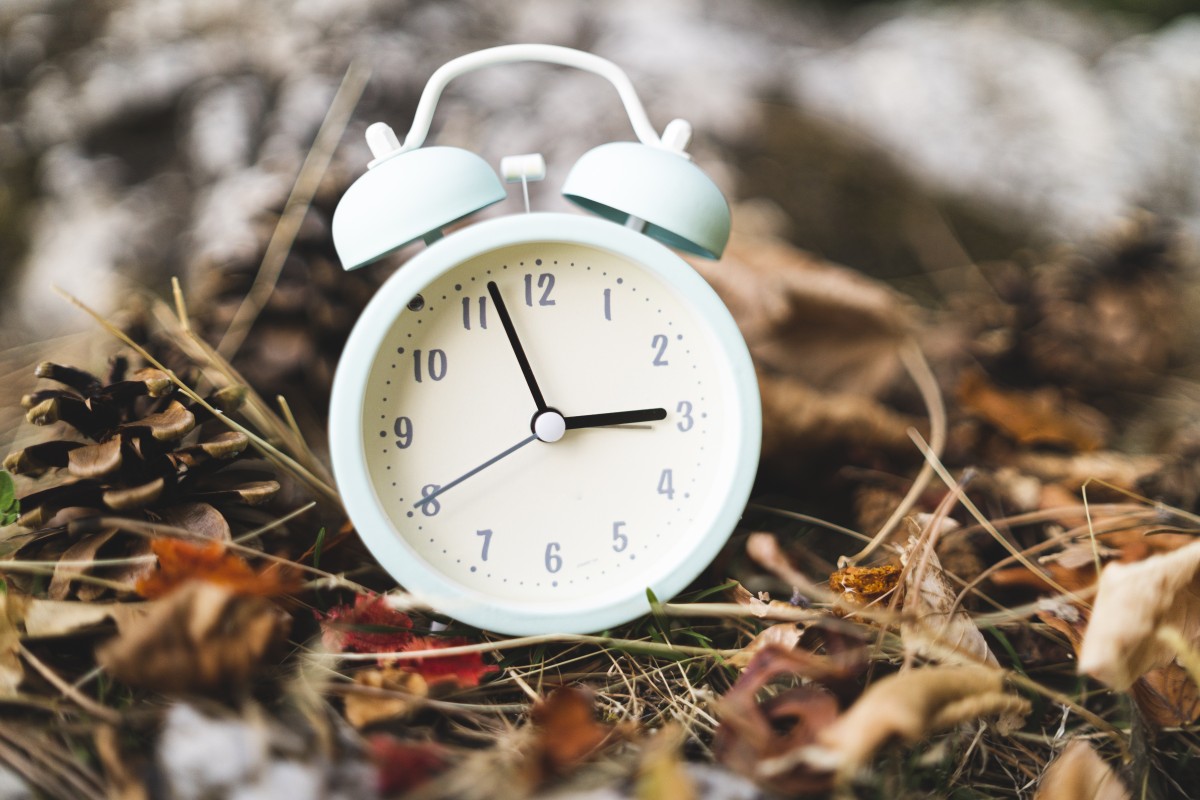
The clocks will fall back to standard time this weekend in most areas of the US. As daylight saving time (DST) comes to an end, most Americans will notice that it gets darker much earlier than usual on Sunday evening. While the changing of the clocks is simply a nuisance to some people, the change in daylight hours can cause severe disruptions to the natural circadian rhythms of some other people. Read on for more about the details and history of DST.
Standard time is defined as the local time for any region when DST is not in effect. Throughout the US, standard time begins the first Sunday of November and continues until the second Sunday in March.
Standard time officially begins at 2 am on Sunday. Each time zone makes the transition when the clock strikes two in the morning in their area. The eastern time zone is the first to see the change back to standard time with the Alaskan time zone bringing up the rear.
The next time that the clocks will be reset will be on Sunday, March 13, 2002. At this time, most Americans will need to move their clocks forward one hour to be back on DST.
One of the most interesting parts about DST is that neither Hawaii nor Arizona participates in this change. These two states remain in standard time throughout the year. This means that while the rest of the nation shifts back to standard time on Sunday, Arizona will now be in the Mountain Time Zone rather than the Pacific Time Zone that it occupies while in standard time. Hawaii will now be five hours behind the Eastern Time Zone rather than six hours.
The history of the idea of DST dates back to the late 1700s when renowned founding father Benjamin Franklin proposed the idea when working as ambassador to France. In an essay, Franklin contended that the French would save a significant amount of money on candles if they were able to wake up at sunrise and go to bed when the sun went down.
While Franklin’s idea was never adopted during his lifetime, the concept gained new life in 1895 when New Zealander George Vernon Hudson proposed a two-hour shift forward in October with a corresponding two-hour shift back in March. The entomologist was widely ridiculed for his idea at the time.
The idea of saving daylight during the winter months was finally put into effect during World War I when the Germans moved to turn every clock ahead by one hour. The goal of the Germans was to save money for the war by reducing the costs incurred by the use of lighting. It did not take long for other European nations to follow the lead of Germany, one of the most important leaders on the global stage at the time.
It would take another two years for the US to try the idea. The end of permanent standard time came to fruition in 1918 when President Woodrow Wilson signed off on the change. However, it was just seven months later that DST was rejected. This repeal only lasted a short time with DST coming back for good during the second world war.
The US Department of Transportation eventually passed the Uniform Time Act of 1966, mandating the start and end dates for DST. This act also implemented the different time zones that the country now operates under.
The current schedule for changing the clocks dates back to 2006. Prior to that, standard time began the last Sunday of October and lasted until the first Sunday of April. The Energy Policy Act of 2005 shortened the duration of standard time by a few weeks.
The debate over standard time and DST continues to this day. Many politicians are advocating for a change to permanent DST. Nearly 20 states want to pass legislation that would make DST permanent.

January 21, 2024

January 19, 2024

January 18, 2024