Heavy Rain, Flooding, and Chance of Severe Weather Staring Down the Southern U.S.
January 22, 2024
Posted: December 29, 2021 11:17 am




Supermoons, Meteor Showers, and Planetary Alignments on Tap
A new year is on the horizon. With this fresh start comes a host of thrilling astronomy events to look forward to. Here are a few of the top astronomy happenings on tap for 2022 in the order in which they will occur.
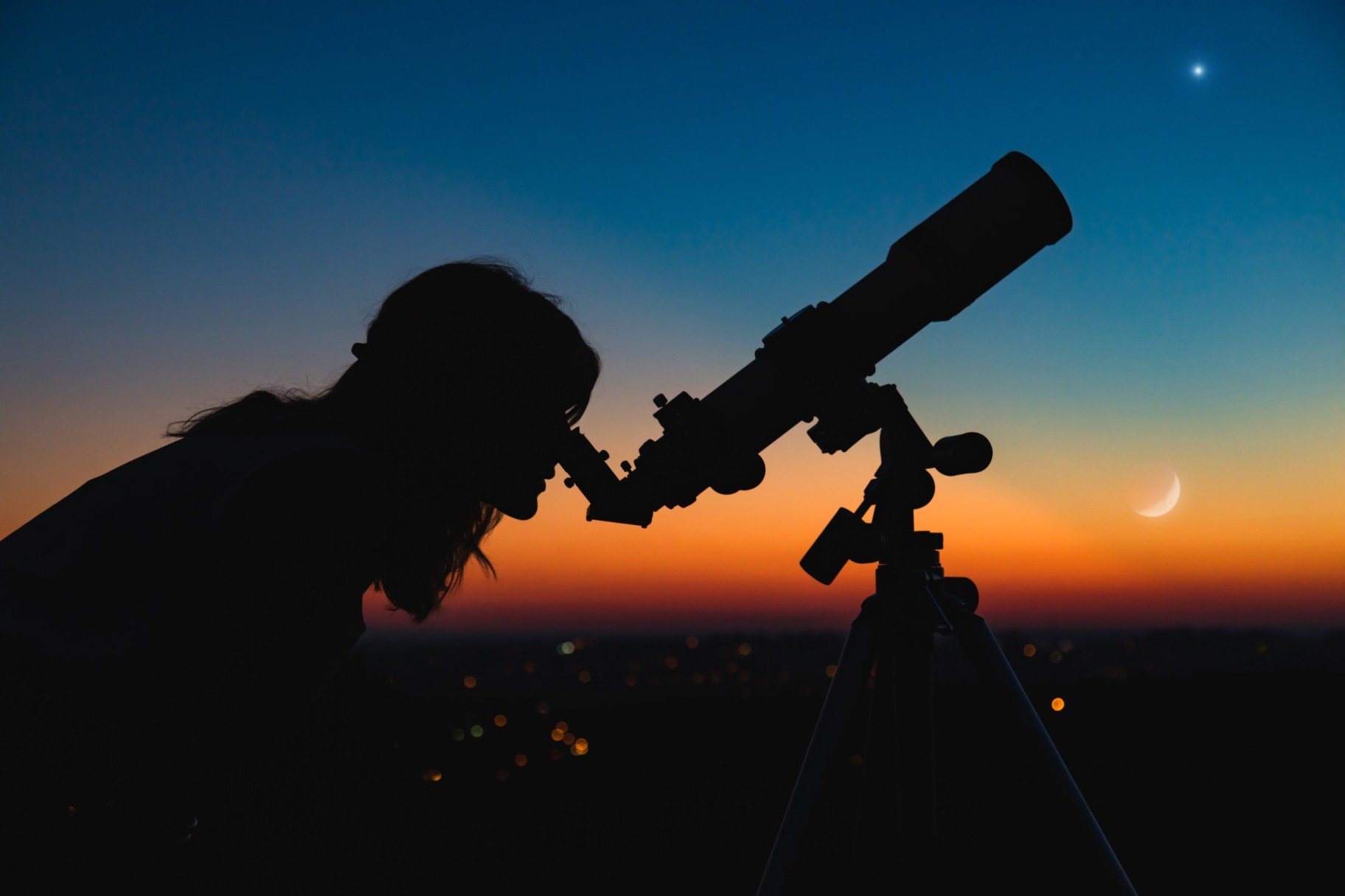
While January and February will be void of any major astronomical events, things will start to heat up in the night skies by the end of March. Mars, Saturn, and Venus will grace the sky close together during the early morning hours just before sunrise over the last two weeks of March. The three planets will be so close together that you can see them in the same field of vision using a telescope.
The first major meteor shower of the year will set the night skies aglow on the night of April 22 and into the early morning hours of April 23. This will be the first meteor shower in over three months, giving skywatchers something to look forward to after the long drought. During the peak of the shower, you can expect to see about 15 shooting stars over each hour.
Less than two weeks later, the Aquarids meteor shower will peak on May 4 and May 5. This particular show will boast between 20 and 40 meteors per hour. The Aquarids will be distinguished as the best meteor shower of the year for those living in the Southern Hemisphere.
The black moon on April 30 is a bit of an astronomical anomaly. Even the highest-strength telescope will not provide you with a view of this type of moon. As the second new moon of the month, this moon will not be visible because the illuminated side is facing opposite the Earth. However, the significance of this black moon is that there is no natural light pollution in the sky, making it easier for you to take in a darker view of the night skies. Do not miss this opportunity to enjoy the rest of the skies without the brightness of the moon shielding what is visible to you.
During the overnight hours of May 15 to 16, the moon will turn a red hue as it passes through the shadow of the Earth. Assuming that there are clear skies, everyone in the contiguous U.S. will have a chance to catch this moon in its spectacular red color. This is the first total lunar eclipse since May of 2021, however, only parts of the West Coast were privy to this viewing. A partial lunar eclipse last November was impressive to those who saw it but it fell short of being considered a total eclipse with 3% of the moon still in view.
The second and last total lunar eclipse of the year will thrill sky-gazers on the night of November 8. Unfortunately, the eclipse will not be visible to everyone in North America. While those on the East Coast will not see the eclipse in its entirety, the rest of the nation and Canada will see the moon if the weather cooperates. This includes potential viewings in Hawaii and Alaska.
There will be three supermoon risings in 2022. The first will rise in the sky on June 14 followed by additional opportunities to catch it on July 13 and August 12. A supermoon is the result of a full moon near the point in the moon’s orbit when it is positioned closest to the Earth. This translates to a moon that is a bit larger and brighter than typical full moons.
Just before the sun rises on June 24, the five planets of Mercury, Venus, Mars, Jupiter, and Saturn will all be bright enough to be seen with the naked eye. They will align together along with a crescent moon located between Venus and Mars. This rare alignment should be a must on your bucket list viewing for the year.
While the Perseids are traditionally one of the most popular meteor showers of the year thanks to its timing during the warm summer months, the 2022 spectacular will be a bit dimmer because it peaks the night after the August supermoon. This means that observers will not be able to make out as many as the shooting stars as they normally would.
The Orionids are set to peak on the night of October 20 stretching into the 21st. Although this shower is generally less active than the Perseids, the absence of the supermoon will make it easier to spot these streaks of light across the sky. Stargazers can expect to see up to 20 meteors per hour with the Orionids.
The planet Mars will reach its peak brightness on December 8 as it reaches opposition. This means that the planet is opposite of the sun when looking at it from Earth. Mars is visible throughout the night and shines brightly when it reaches the stage of opposition. The red planet only hits this stage once every 26 months, making it important to catch it when you can.
You will have one last chance to catch a sparkling meteor shower to close out the year when the Geminids peak on December 13 and 14. A moon that is almost at the full stage will dim some of the chance to see as many meteors as usual with this annual shower. Most experts say that the best time to catch these shooting stars in 2022 will be prior to 11 pm local time before the moon rises. Be sure to train your eyes toward the darkest part of the sky for the best shot of seeing them in action.

January 21, 2024
January 19, 2024

January 18, 2024