Heavy Rain, Flooding, and Chance of Severe Weather Staring Down the Southern U.S.
January 22, 2024
Posted: February 15, 2022 1:00 pm




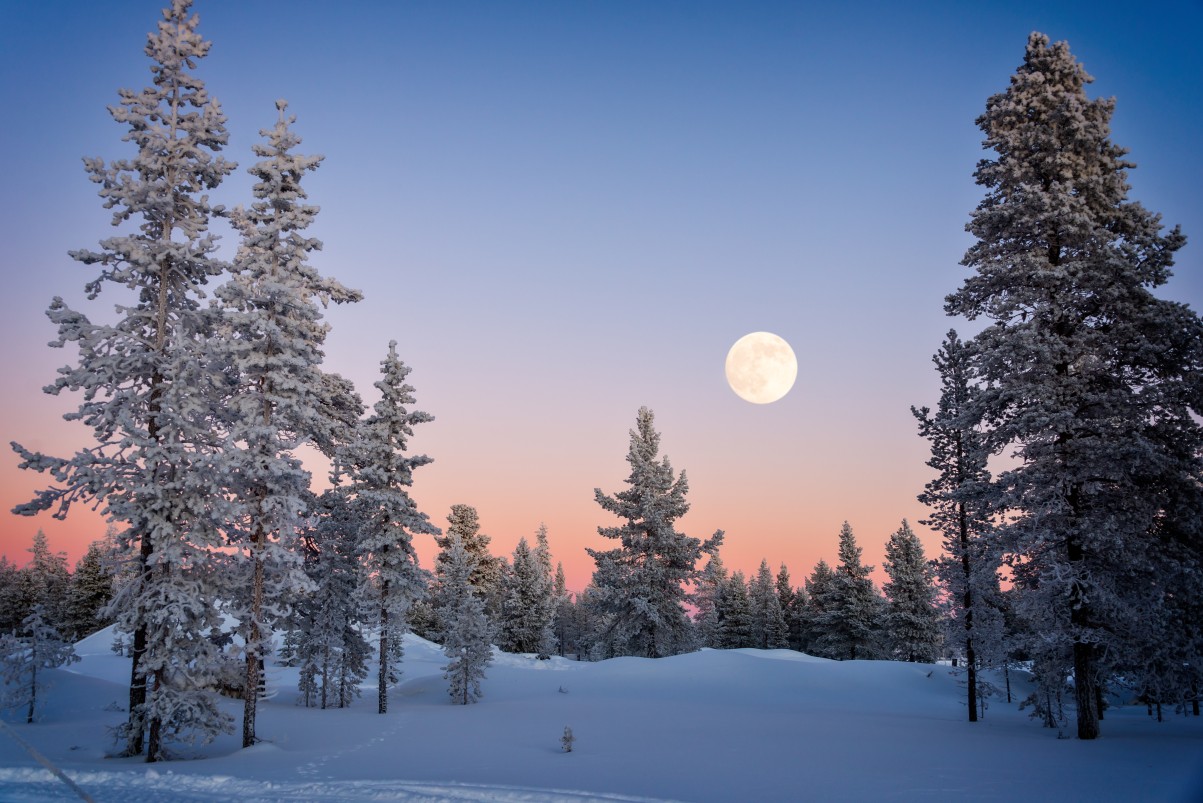
Since February is a short month, there are not many interesting astronomical events during the month, but there is one you will not want to miss. Look in the sky starting on February 16 to see the Snow Moon. It is the only full moon in February and the last full moon until the Worm Moon appears on Saint Patrick’s Day.
Before the first settlers arrived, the Algonquin tribe had already named February’s full moon the snow moon. It was important to them because heavy snow often made it hard to hunt when this moon was in the sky. Therefore, hunger was often a problem.
Across the United States different Native American tribes had different names for the Snow Moon, including:
The name Bone Moon commemorates the fact that there was no food left so that the tribe members would chew on bones. They also held a special ceremony where they worshiped their dead ancestors.
After the first settlers arrived, February’s full moon was often referred to as Trapper’s Moon. Their economy often revolved around trapping beavers, rabbits and other small animals and selling their pelts. Since February was so cold and snowy, the animal’s pelt was often thicker. Therefore, they could get a larger price for it.
In Canada, February’s full moon is often called the Blinding Snow Moon because the winds are most likely to whip up a blizzard during the month than at any other time of the year.
You may want to celebrate the Snow Moon. It is the last moon of the meteorological winter, which runs from December 1 to March 1. Meteorological winter is different than the dates used for winter under the official system used in North America. The meteorological winter is based on the earth’s tilt towards or away from the sun. During the winter, North America is tilted further away from the sun than during the summer months.
Throughout the year, different moons are given different names. The date and the name for 2022 include:
Seeing a full moon on a clear night is not difficult, so go out and enjoy the sight

January 21, 2024
January 19, 2024

January 18, 2024