
Heavy Rain, Flooding, and Chance of Severe Weather Staring Down the Southern U.S.
January 22, 2024
Posted: April 24, 2022 10:19 am




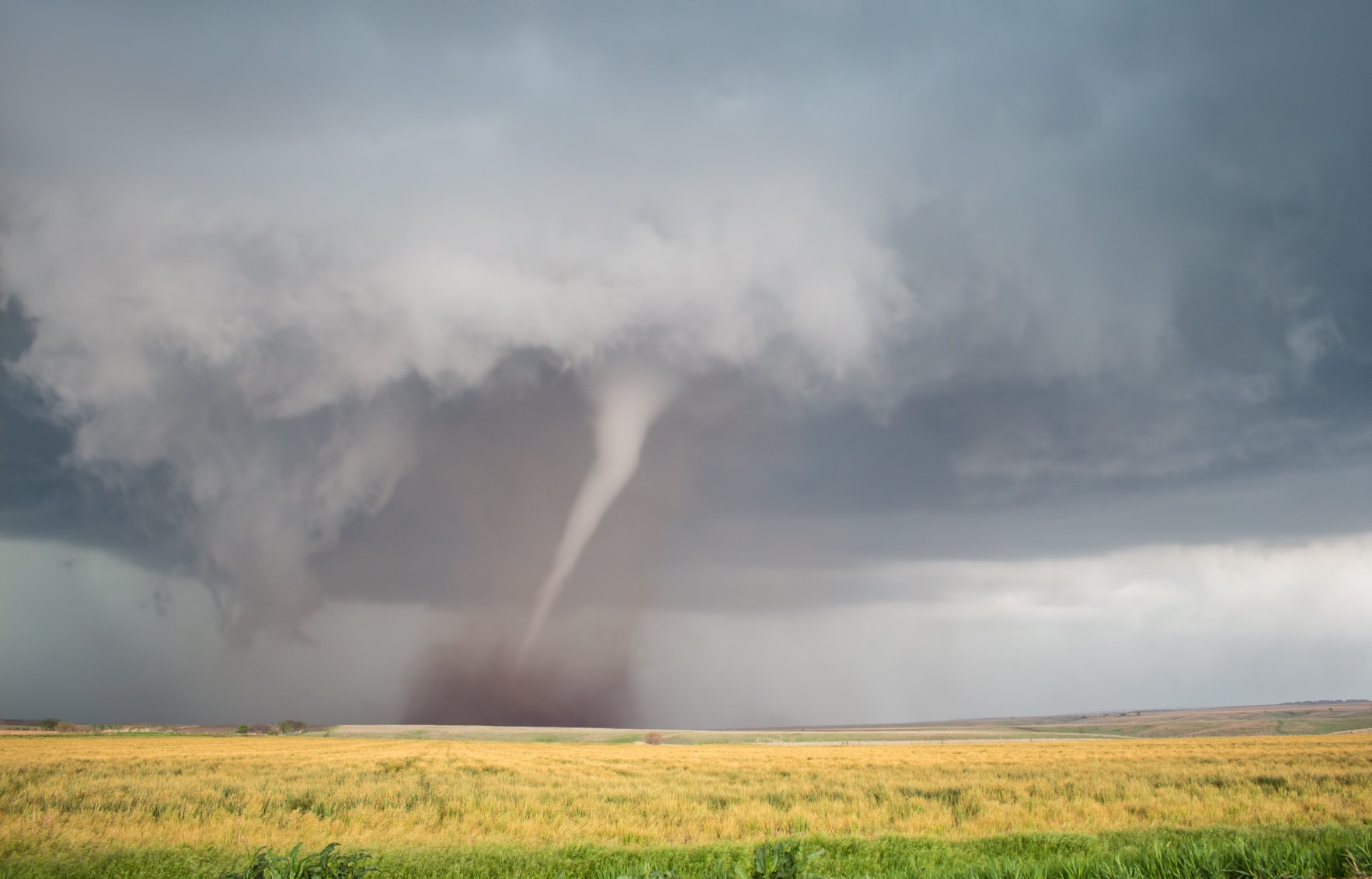
It is clear that the U.S. is entering the peak of tornado season. With severe weather on the upswing throughout much of the nation, it only makes sense that this is the time of the year when tornadoes are most likely to strike. Here is what you need to know about the peak of tornado season.
According to the National Weather Service (NWS), the most likely months to experience tornadic activity in the U.S. are April, May, and June. This is because twisters are more likely to form out of the severe storms that characterize spring in the U.S. The NWS has been keeping records of tornadoes since 1950, helping weather experts to pinpoint the times of greatest risk.
Of particular note is that half of all of the yearly tornadoes take place during these three months. The most active month for tornadoes is May with roughly 22% of twisters happening during this time. The weekly historical tornado peak is between May 19 and 26 with 6% of all tornado reports falling during this seven-day stretch.
As such, the single day with the greatest number of tornado reports is May 25. According to the NWS, there have been 649 tornadoes recorded on this day between the years 1950 and 2020. In addition, there has been at least one tornado reported on this date every year going back to 2004.
May 25 is also noted for the prevalence of EF5 tornado occurrences throughout history. As the strongest designation on the Enhanced Fujita scale, an EF5 twister is likely to cause significant damage and loss of life. The most recent EF5 tornado on this date happened in 2008 when a monster twister ripped through Iowa, killing six people and injuring at least 70 more on its 43-mile-long journey.
The rate of twisters begins to decrease by the end of June, continuing this trend through the beginning of August. However, a second peak of tornadoes typically sets in by the middle of September. Weather experts point to the increase of tropical weather during this month. As these hurricanes and tropical storms move onto land, it is not unusual for twisters to spin out of these weather makers.
However, because of the location of the tropical weather events, the prevalence of twisters during the early fall months moves from the central U.S. and Tornado Alley to the coastal areas more at risk of this type of weather pattern. These storm landfalls can cause tornadoes to form hundreds of miles away.
Meteorologists also point to an additional fall peak of tornadoes that occurs during mid and late November. November 15 through 17 has proven particularly risky with a high number of tornadoes recorded during this time in history. This uptick in severe weather activity is blamed on the jet stream dipping farther to the south during this time of the year, whipping up new disturbances as the warmth of the late summer season clashes with the incoming cooler air dropping down from Canada.
Following this late fall peak, the severe weather season typically pulls back for a few weeks before another slight historical peak during the middle of December. Most notably in 2021, outbreaks on December 10, 11, and 15 resulted in over 160 confirmed tornadoes.
January 16 carries the distinction of being the date in history with the lowest number of confirmed tornadoes. There have only been 11 reports of tornadoes on this day dating back to 1950. Two EF2 tornadoes ripped through western Florida on January 17, 2016, causing two fatalities and even more injuries.
However, it should be noted that there have been tornadoes reported in the U.S. on every date of the year. This should serve as a cautionary tale that no date on the calendar is immune to tornadic activity. With the right conditions in place, a tornado can pop up on any day of the year.
Did you find this content useful? Feel free to bookmark or to post to your timeline for reference later!

January 21, 2024
January 19, 2024

January 18, 2024