Heavy Rain, Flooding, and Chance of Severe Weather Staring Down the Southern U.S.
January 22, 2024
Posted: September 10, 2022 9:02 am




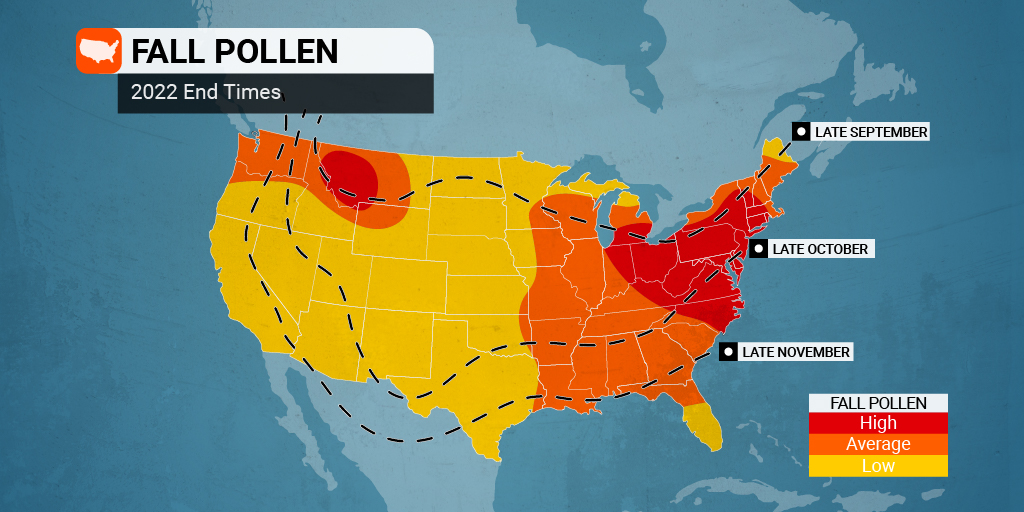
It is hard to think about the onset of fall allergy season when you may be dealing with record heat waves and drought conditions. However, despite the fact that it feels like summer for a large part of the nation, the return of fall allergies is imminent. Here is what you can expect this year for allergy severity throughout the U.S.
The primary allergy trigger during the fall months is ragweed, the plant responsible for pollen production. This plant primarily blooms between the months of August and November with the peak happening at the end of September. Additional allergy triggers during the fall include mold and dust mites.
Because damp leaves are breeding grounds for mold, it is easy to see why this allergen is heightened during this time of the year. Dust mites are typically launched into the air when people fire up their home’s heating system for the first time in months.
Regardless of the trigger, these allergies can lead to runny noses, itchy eyes, sneezing, coughing and more. Some of the symptoms are similar to the everyday cold, flu, or COVID-19, making it difficult to diagnose the issue on your own.
For most of these allergies, they are put to rest after the first hard freeze of the year. This happens when the temperature falls below 28 degrees for a period of at least two hours. However, the long-range fall forecast indicates that this freeze will not happen until later than usual for much of the eastern third of the country. As a result, allergy sufferers can expect to have to deal with these annoying symptoms for longer this year.
Experts are predicting that pollen levels will remain elevated through the early parts of November simply because the colder weather is likely going to take longer to arrive. Warmer than normal temperature readings in October and November will allow the plants and weeds that produce the allergens to live longer.
In addition, an increase in moisture for the Northeast predicted for the end of September and into October will also make it more likely that mold and ragweed grow and thrive. While the ongoing drought in this corner of the country will keep the allergies at bay through September, this all may change with a wet October in the cards. Pollen levels will be particularly high if the rainfall amounts increase.
On the opposite side of the country, the pollen season will also get off to a slow start because of the dry conditions. However, as anyone who lives in the Pacific Northwest can tell you, the rain comes hard and fast beginning in October. This will help lead a rapid increase in pollen levels across eastern portions of Washington and Oregon and through the northern Rockies.
While the lack of predicted moisture is not good news for the drought-stricken Southwest and Plains states, these parts of the U.S. will likely enjoy a light allergy season because of the little rainfall. Residents in a large swath of land stretching from California through Texas and up to North Dakota can expect to see lower than normal pollen levels.
The arrival of the peak of the 2022 Atlantic hurricane season may spell disaster for allergy sufferers along the Gulf Coast. The impacts from tropical weather may erase pollen in the air in the short-term, however, the immense moisture on the heels of a system often creates fertile conditions for mold spores to flourish.
The Gulf Coast can anticipate an average season for pollen and higher levels of mold spores, particularly if tropical weather is on the horizon.
While you can never avoid allergies completely, you can lean on your local weather forecast to mitigate the discomfort that they cause you. For example, if you suffer from a pollen allergy, you would be wise to avoid spending time outside when it is windy. This is because wind picks up pollen and circulates it in the air.
Conversely, although cloudy and rainy days may reduce the amount of pollen in the air, this is when mold sufferers are likely to notice an uptick in allergy symptoms. Keeping your windows closed during peak allergy time can help to keep these triggers out of your home. You should also use a quality air filter and avoid touching your eyes with your hands.
A dedicated allergy medication is another useful tool in your arsenal of ways to keep the symptoms under control so they do not interfere with everyday life.
Did you find this content useful? Feel free to bookmark or to post to your timeline for reference later.

January 21, 2024
January 19, 2024
January 18, 2024