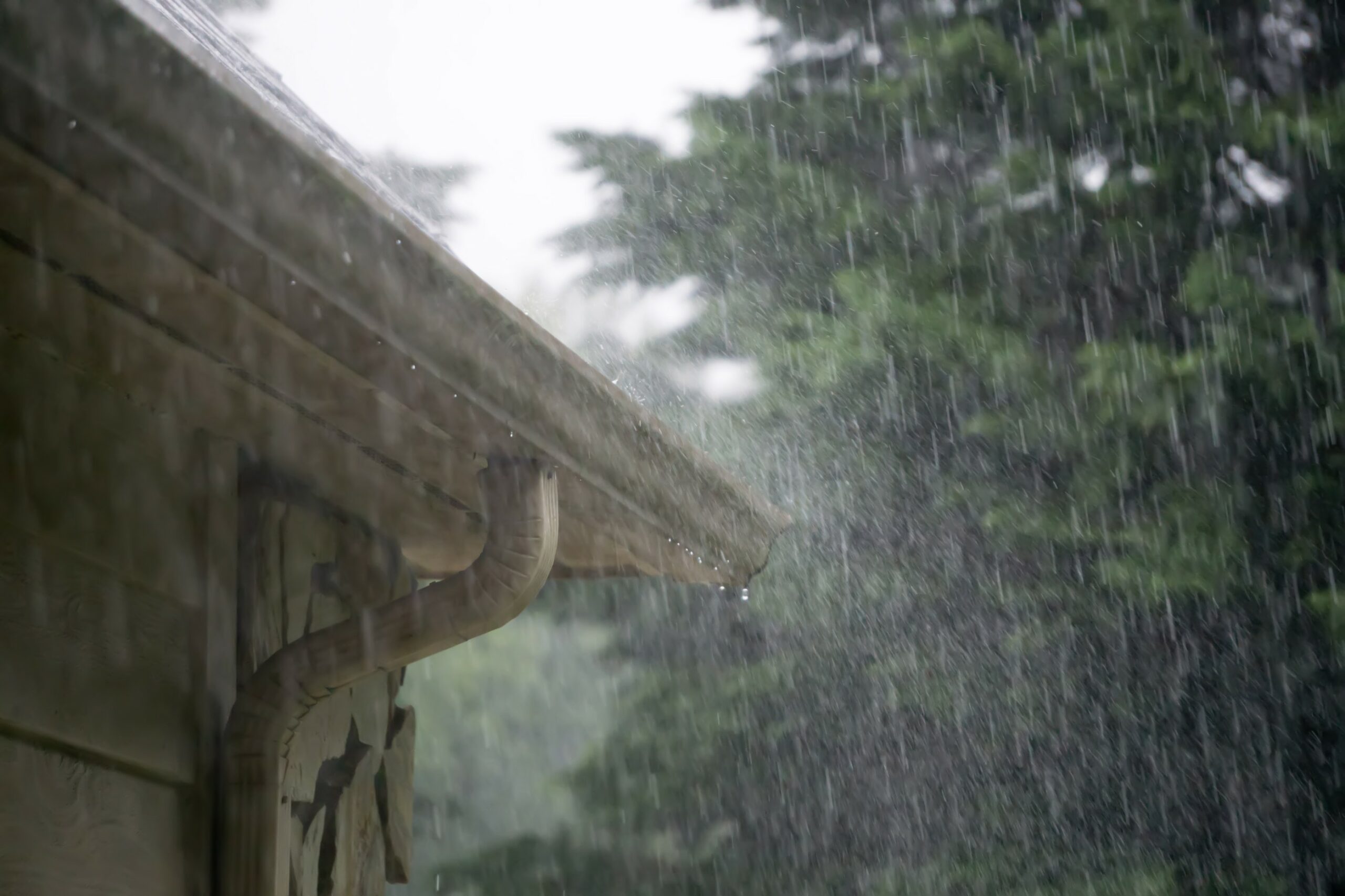
Heavy Rain, Flooding, and Chance of Severe Weather Staring Down the Southern U.S.
January 22, 2024
Posted: October 25, 2022 8:58 am




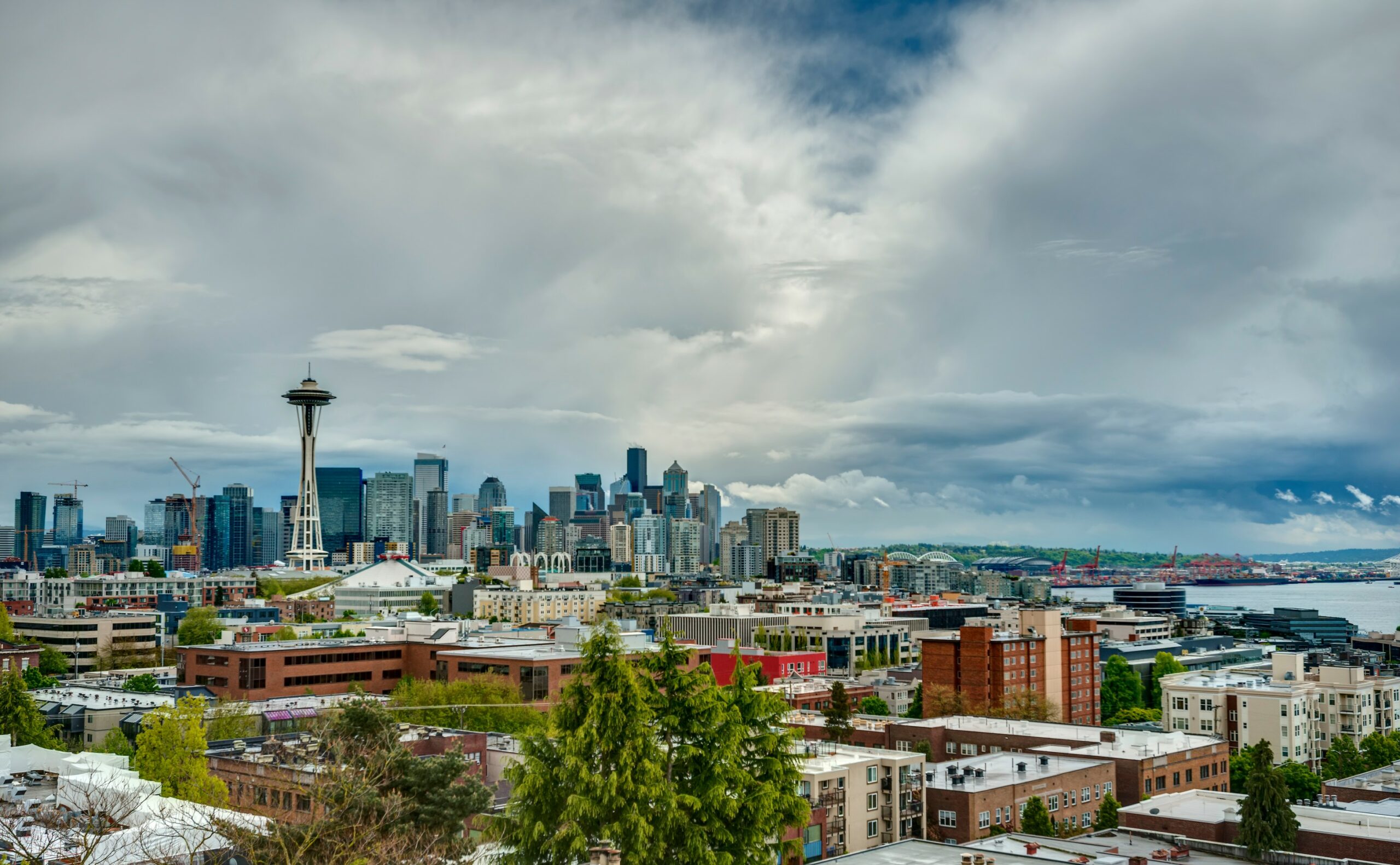
It is definitely feeling more like fall in the Pacific Northwest. The change in the weather pattern that arrived last week is predicted to stick around for the foreseeable future thanks to a train of storms that is coming in from the Pacific Ocean. These storms will make their way through the Northwest into the early part of November.
Forecasters are keeping their eyes on at least six separate storm systems forecast to push inland from the Pacific Ocean over the next few weeks. While there may be a day or two of dry conditions in between each storm arrival, it will feel particularly soggy for a corner of the country that had been unseasonably dry over the last few months.
The precipitation is much-needed throughout much of the West. However, the parade of storms will also cause some complications. Although some of the storms will only generate sporadic showers, some of these weather makers could trigger an atmospheric river that dumps flooding rainfall.
Major metropolitan areas such as Seattle and Portland may see rainfall amounts totaling up to 6 inches through the first few days of November. Even more rain may fall in the western-facing slopes of the Cascade and Olympics mountain ranges.
The moisture will fall as snow in the higher terrains of British Columbia, Washington, and Oregon. Ski resorts will undoubtedly welcome the predicted snow amounts of 5 – 10 feet over the high country.
While most of the heaviest snow will stay above the area’s mountain passes, some of the snow levels may drop as low as 3,500 feet. The first chance for significant snowfall this low will be Tuesday night into Wednesday morning. Be sure to check the road conditions if your schedule has you traveling over the mountain passes.
It has been an especially dry summer and fall for both Seattle and Portland. However, the rainy spring season has kept both cities at about average for the year. Unfortunately, the wildfire season has stuck around through October for much of the Northwest. The incoming moisture will certainly help to put out the remaining flames and clean up the smoke that landed Seattle at the top of the global list of worst air quality readings last week.

While the rain is good news for the ongoing fires, the heavy precipitation could also trigger flash flooding with water levels in many rivers and streams on the rise. Forecasters warn that the persistent rain that hangs on for days could bring these waterways to the brink of overflowing despite their currently low levels.
Rock slides and other types of debris flows are another concern with rain of this magnitude. This risk will be heightened in areas with burn scars from recent wildfires.
In addition to the flooding and mudslides threats, these powerful storms will also deliver the possibility of gusty winds. The winds will be the strongest along the coast and in the mountainous terrains.
Despite the accelerating snowfall amounts and windy conditions, the avalanche risk should remain low. However, this risk will likely increase later as the snowpack continues to grow.
Lastly, the region is also in store for some foggy conditions. The fog will form as the wide bands of moisture coming in from the Pacific Ocean come upon the steep terrain that dots the landscape of this part of the country.
The train of storms will have enough moisture along for the ride that areas far inland will also see rain out of these systems. This means that cities such as Spokane and Boise need to be ready for rain showers in the coming week. Locally heavy snow will also be likely across the northern and central portions of the Rockies.
The long-range forecast is predicting that the jet stream will retreat northward during the first week of November. This movement would kill the storm development and usher in drier and slightly warmer conditions to the region.
Did you find this content useful? Feel free to bookmark or to post to your timeline for reference later.

January 21, 2024
January 19, 2024

January 18, 2024