Heavy Rain, Flooding, and Chance of Severe Weather Staring Down the Southern U.S.
January 22, 2024
Posted: February 14, 2023 4:26 pm




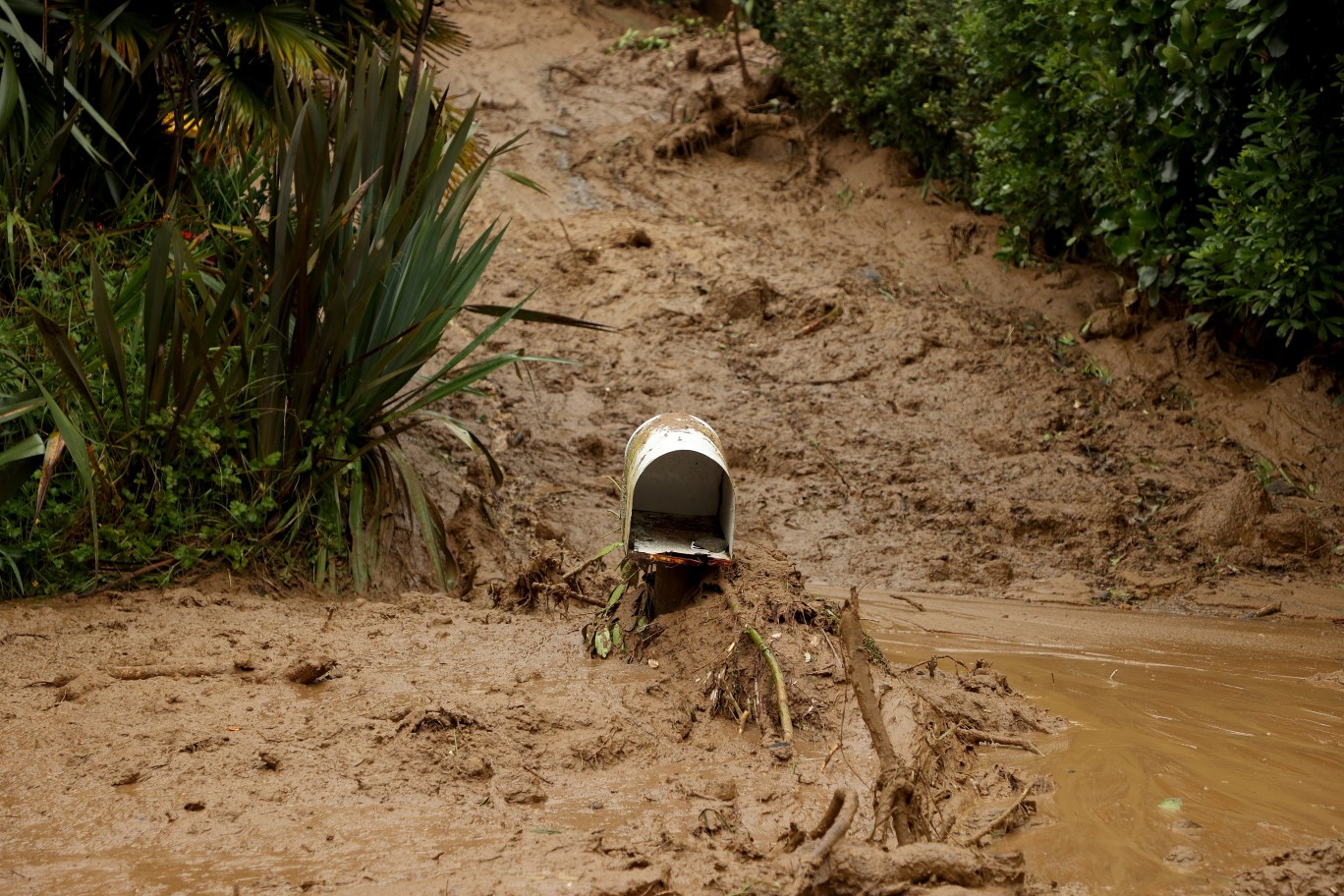
For the third time in the history of New Zealand, a state of emergency has been declared across the entire country. Prime Minister Chris Hipkins declared the emergency after Cyclone Gabrielle slammed into the island, bringing heavy rain, damaging winds, and dangerous storm surge.
Cyclone Gabrielle is the most destructive tropical event to hit New Zealand since the 1990s and is the second natural disaster to impact the country in just a month. You have to go back to December of 1996 and January 1997 to find the last time that the nation saw back-to-back tropical events.
Gabrielle made it to the designation of a Category 3 tropical cyclone on Friday evening as it churned through the open waters in the Coral Sea. At this designation, the storm was sporting sustained winds of at least 74 mph. This would translate to the equivalent of a Category 1 hurricane as defined by the parameters set for the Atlantic Ocean and the East Pacific Ocean.
By Tuesday night local time, the tropical event had been downgraded to a post-tropical cyclone as it moved farther away from New Zealand.
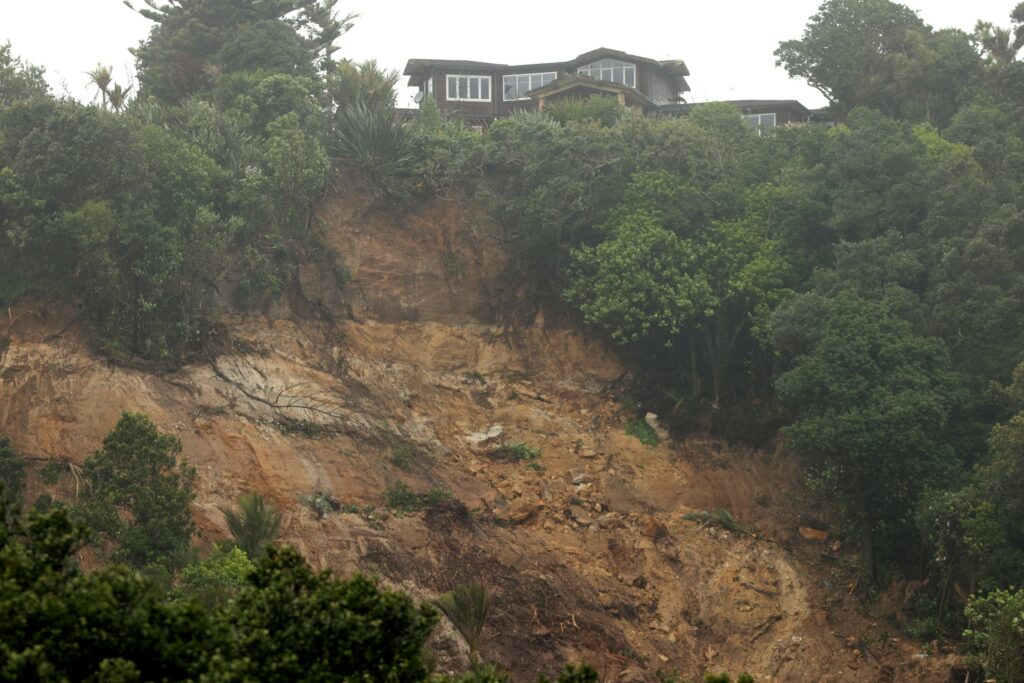
During the worst of the impacts in the area known as Hawke’s Bay, residents were forced to climb up onto rooftops to escape the rising floodwaters. The torrential rain triggered a number of landslides across the northwestern coast of the island. Roads were washed away, complicating the rescue efforts. Two firefighters were trapped in a landslide, seriously injuring one with the other still missing.
The rain started coming down in droves over the weekend with the northern third of the North Island seeing the most significant rainfall. Auckland recorded 4.50 inches of rain with areas to the northwest of the country’s largest city seeing substantially more moisture. Some communities reported nearly 14 inches of rain over the weekend.
High winds were also a factor with this weather event. The winds at Tutukaka harbor hit about 86 mph on Sunday, knocking out power to thousands. Traffic was also severely impacted after the Auckland Harbor Bridge was forced to close because of the winds.
The airport in Auckland was dealing with hundreds of canceled flights and delays, eventually having to suspend all domestic and international flights at the height of the storm on Tuesday. Travelers were also faced with multiple cancelations and disruptions with trains, buses, and ferries throughout the region.
The rising storm surge triggered a number of evacuations in Auckland. According to the country’s National Institute of Water and Atmospheric Research (NIWA), a record surge of 0.7 of a meter was recorded along the northern coast.
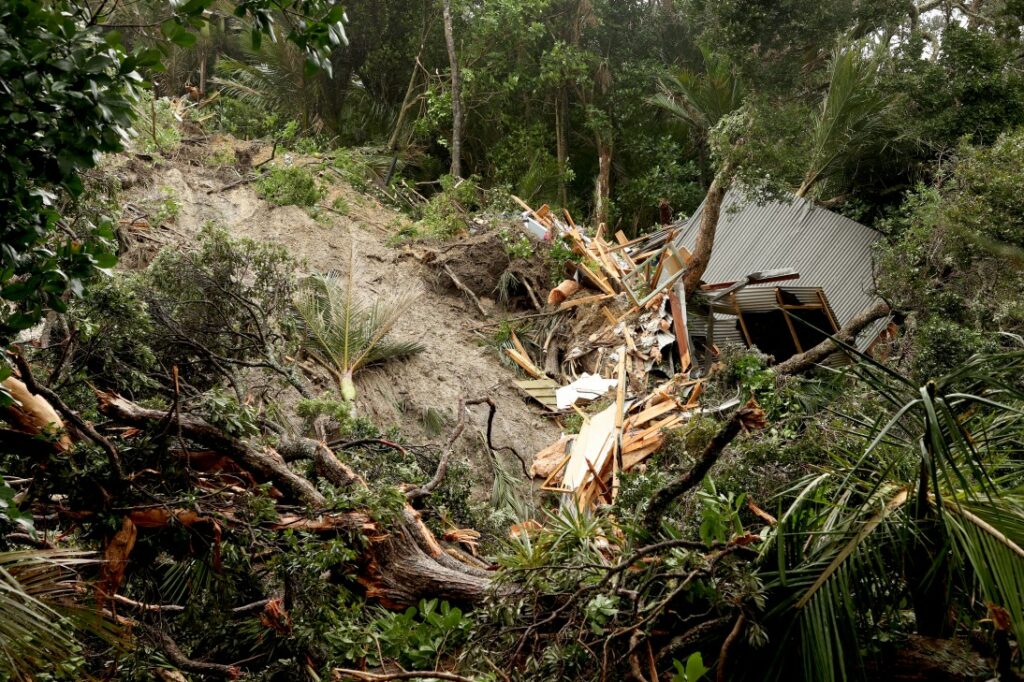
Forecasters warn that landslides will continue to be a threat in the coming days. In addition to the heavy rain produced by Cyclone Gabrielle, the country had been dealing with a significant amount of precipitation over the last several weeks.
The end of January brought rainfall that broke numerous records in Auckland and the surrounding area, killing at least four people. This weather event also prompted Hipkins to call a state of emergency.
As devastating as Cyclone Gabrielle has been over the last few days, it pales in comparison to the damage caused by Cyclone Bola in 1988. This storm brought over a foot of rain to the northern coast of New Zealand with the southern half of the island seeing rain that hit up to 8 inches.
Did you find this content useful? Feel free to bookmark or to post to your timeline for reference later.

January 21, 2024
January 19, 2024
January 18, 2024